Matt. 1:22-23 – All this took place to fulfill what the Lord had spoken by the prophet: “Behold, the virgin shall conceive and bear a son, and they shall call his name Immanuel” (which means, God with us).
Centuries prior to the nativity in Bethlehem, the prophets heralded the advent of the Messiah. In composing his Gospel, the disciple Matthew deliberately anchored the Messiah’s birth within this prophetic tradition. He invokes Isaiah’s oracle, declaring that the Anointed One would be born of a virgin and called Immanuel (Isa. 7:14). Likewise, when the magi sought the newborn King of the Jews, Herod inquired of the chief priests and scribes concerning the Messiah’s birthplace. Matthew records their citation of Micah’s prophecy: “And you, O Bethlehem, in the land of Judah, are by no means least among the rulers of Judah; for from you shall come a ruler who will shepherd my people Israel” (Matt. 2:5–6; cf. Mic. 5:2).
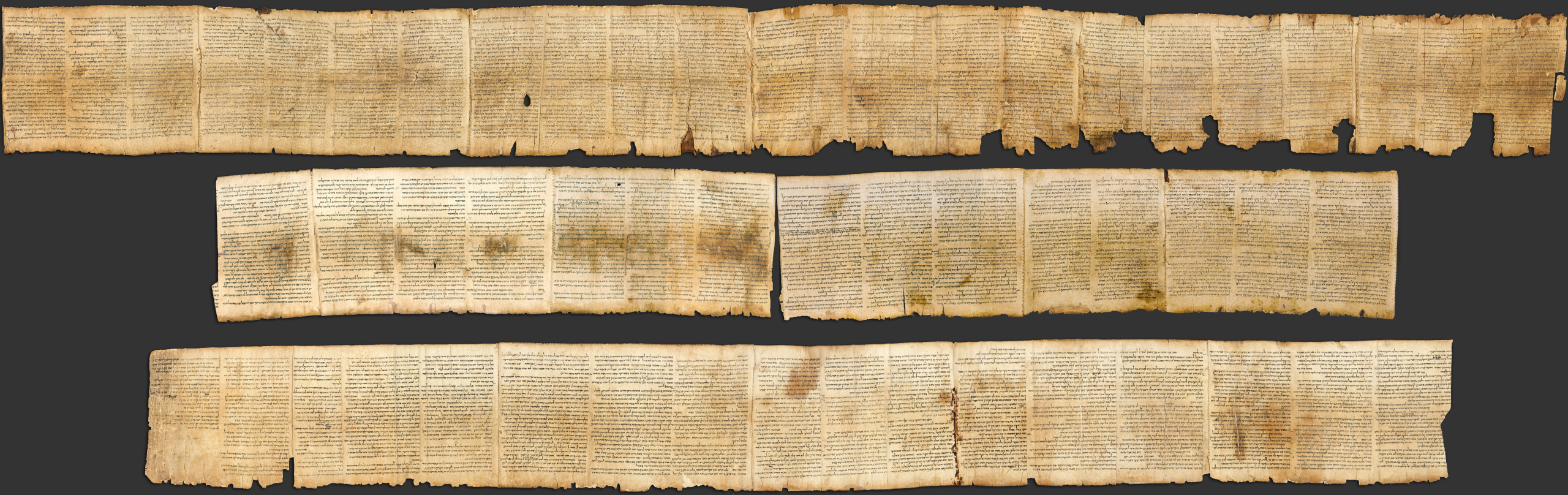
The discovery of the Dead Sea Scrolls in 1947 stands among the most consequential archaeological recoveries of the modern era, and at its heart lies the Great Isaiah Scroll. Unearthed in Cave 1 at Qumran, this manuscript—dating to the first century BC—preserves the prophetic text in remarkable completeness, offering a window into the transmission of Isaiah’s words centuries before the advent of the Messiah. Its presence among the earliest scrolls attests to the centrality of Isaiah within the religious life of the Second Temple community, where his vision of Immanuel and the promise of divine intervention were already revered and meticulously copied. While fragments of Micah and other minor prophets were likewise recovered from Cave 4 at Qumran and from sites such as Nahal Hever and Wadi Murabaʿat, it is Isaiah’s scroll that commands singular attention. Its survival demonstrates not only the widespread circulation of prophetic writings but also the enduring authority of Isaiah’s voice, a voice that Matthew would later invoke as the interpretive key to the nativity of Yahawashi. Thus, the Great Isaiah Scroll bridges archaeology and theology, bearing witness both to the antiquity of the prophetic tradition and to its fulfillment in the Gospel narrative